
Popular Accessories for Enhancing Vinyl Flooring Durability
Explore reliable products designed to protect and extend the lifespan of your vinyl floors while maintaining their appearance.
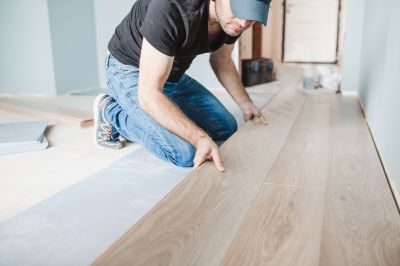 Vinyl flooring products offer a versatile and durable solution for a variety of interior spaces, including kitchens, bathrooms, basements, and commercial areas. They are appreciated for their ease of installation, wide range of designs, and relatively low maintenance requirements. Vinyl flooring can mimic the appearance of natural materials such as wood and stone, providing aesthetic flexibility without the associated costs or fragility. Additionally, many vinyl products are designed to withstand moisture, making them suitable for areas prone to spills or humidity.
Top Overall Option
Luxury Vinyl Plank
Luxury vinyl plank (LVP) offers a realistic appearance of natural wood with the added benefits of water resistance and ease of installation. Its multilayer construction provides durability and comfort underfoot, making it suitable for a variety of environments. LVP is available in numerous styles, colors, and textures, allowing for customization to match different interior designs. Its versatility and user-friendly features make it a popular choice among homeowners and contractors alike.
Types of Products For Vinyl Floorings
Vinyl Sheet Flooring
A continuous sheet of vinyl that provides a seamless surface ideal for moisture-prone areas and large spaces.
Vinyl Tiles
Individual tiles that can be arranged in various patterns, offering flexibility in design and easy replacement.
Luxury Vinyl Planks
Plank-shaped vinyl flooring that mimics hardwood, known for its realistic appearance and durability.
Peel-and-Stick Vinyl Tiles
Self-adhesive tiles that are simple to install, suitable for DIY projects and small areas.
Loose Lay Vinyl Flooring
Flexible vinyl sheets that stay in place without adhesive, allowing for easy removal and replacement.
Rigid Core Vinyl Flooring
Vinyl with a dense core layer for enhanced stability and resistance to impacts and indentations.
Waterproof Vinyl Flooring
Vinyl products specifically designed to resist moisture and water penetration, ideal for bathrooms and kitchens.
Cushioned Vinyl Flooring
Vinyl with a padded backing for added comfort and sound absorption, suitable for residential and commercial use.
Textured Vinyl Flooring
Vinyl with embossed surfaces to mimic natural textures like wood grain or stone.
High-Gloss Vinyl Flooring
Vinyl with a shiny finish that enhances color vibrancy and provides a sleek appearance.
Anti-Slip Vinyl Flooring
Vinyl with textured surfaces or coatings to improve traction and safety.
Commercial Vinyl Flooring
Heavy-duty vinyl designed to withstand high traffic and wear in commercial settings.
Popular Choices
A popular choice for its realistic wood look and ease of installation, suitable for many residential spaces.
Versatile tiles that allow for creative patterns and straightforward replacement if damaged.
Convenient for DIY projects, these adhesive tiles are easy to apply and remove.
A seamless option that provides a smooth surface, often used in bathrooms and kitchens.
Ideal for moisture-prone areas, offering reliable water resistance.
Known for stability and impact resistance, suitable for high-traffic zones.
Offers added comfort and sound absorption, popular in home settings.
Provides a natural feel with embossed surfaces that resemble real wood or stone.
Provides a shiny, reflective surface that enhances color vibrancy.
Designed to reduce slipping hazards, especially in commercial or wet areas.
Durable and resilient, suitable for high-traffic commercial environments.
When selecting vinyl flooring products, it is important to consider the specific needs of your space, including foot traffic levels, moisture exposure, and desired style. The surface layer, core material, and backing all contribute to the overall performance and comfort of the flooring. Some products feature cushioned backing for added comfort, while others focus on enhanced durability for high-traffic areas. Proper installation methods, whether click-lock, peel-and-stick, or loose lay, also influence the final outcome and longevity of the flooring.
Maintenance is generally straightforward, with regular sweeping and occasional damp mopping being sufficient to keep vinyl floors looking their best. Some products may also include stain-resistant or scratch-resistant coatings, which can extend the lifespan and preserve the appearance over time. It is advisable to follow manufacturer recommendations for cleaning and maintenance to ensure optimal performance.
Choosing the right vinyl flooring product involves balancing aesthetics, durability, ease of installation, and budget. With a wide array of options available, homeowners and professionals alike can find solutions that suit their specific project requirements. Whether for a small renovation or a large commercial installation, understanding the different types and features of vinyl flooring can help in making an informed decision that enhances the functionality and style of the space.
Key Buying Considerations
- Determine the primary use and traffic level of the area to select appropriate durability features.
- Consider moisture resistance if installing in bathrooms, kitchens, or basements.
- Choose a style and color that complements your interior decor and personal preferences.
- Evaluate the thickness and wear layer for longevity and performance.
- Decide between click-lock, peel-and-stick, or loose lay installation methods based on DIY experience and project scope.
- Assess the backing and underlayment options for added comfort, sound absorption, or insulation.
- Check for stain and scratch resistance if the flooring will be subject to heavy use or pets.
- Review maintenance requirements to ensure the flooring can be easily cleaned and preserved.
- Consider the environmental conditions, such as temperature fluctuations, that might affect material performance.
- Compare warranties and manufacturer support to ensure peace of mind with your purchase.
- Estimate the total area and purchase a sufficient amount of material, including extra for cuts and waste.
- Look for products that are compatible with existing subfloor types and conditions.
- Evaluate the overall cost, balancing quality and budget constraints.
- Read customer reviews and ratings for insights into real-world performance and satisfaction.
- Consult with professionals if unsure about installation methods or material suitability.
This page contains affiliate links. We may earn a commission if you make a purchase through these links, at no additional cost to you.